It’s the First Week of September: Is Your Kitchen Ready for the Holidays?

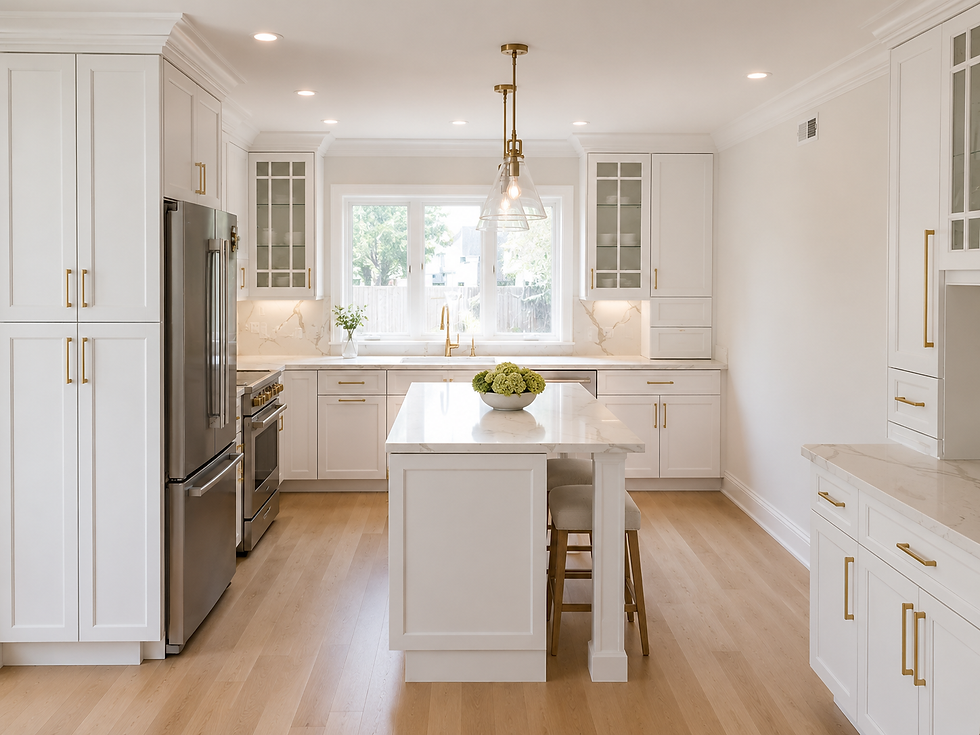
Thanksgiving may still feel far away, but if you are hoping to renovate or improve your kitchen before the holidays, September is the time to make decisions.
A kitchen renovation involves much more than selecting beautiful cabinets, countertops, and appliances. Design development, measurements, budgeting, product lead times, permits, contractor availability, construction, inspections, and unexpected conditions can all affect the schedule.
The good news is that your kitchen does not necessarily need a complete renovation to function and feel better for the holidays.
The first step is determining what your kitchen realistically needs—and what can reasonably be completed before your guests arrive.
Use this checklist to evaluate your kitchen and choose the right level of improvement for your home, budget, and schedule.
1. How Well Does Your Kitchen Function?
Before thinking about finishes, pay attention to how you currently use the kitchen.
Ask yourself:
Is there enough counter space for preparing and serving food?
Can more than one person work comfortably in the kitchen?
Are frequently used items easy to reach?
Do cabinet doors and appliances interfere with circulation?
Is there enough storage for cookware, serving pieces, and pantry items?
Can guests gather nearby without blocking the person cooking?
Is the lighting sufficient for food preparation?
Are electrical outlets conveniently located?
Is there a practical place for trash and recycling?
Does the kitchen connect comfortably to the dining or entertaining area?
If the primary problems involve circulation, inadequate storage, or poor appliance placement, new finishes alone may not solve them. The kitchen may need a more thoughtful space-planning solution.
2. What Level of Kitchen Project Do You Need?

Not every kitchen requires the same scope of work.
Full kitchen renovation
A full renovation may involve:
A new layout
New cabinetry and countertops
New appliances
Relocated plumbing or gas lines
New lighting and electrical work
Flooring and wall finishes
Removing or modifying walls
Structural or mechanical work
This type of project requires the most planning and may require professional drawings, permits, engineering, and inspections.
If you are beginning in September, do not assume that a full kitchen renovation will automatically be completed before Thanksgiving. The schedule will depend on the design, approvals, product availability, contractor capacity, and complexity of the work.
Partial kitchen renovation
A partial renovation might include:
Keeping the existing layout
Replacing cabinets or countertops
Installing a new backsplash
Upgrading appliances
Improving lighting
Adding storage
Replacing selected fixtures and finishes
A partial renovation may be more achievable, but product lead times and contractor scheduling must still be confirmed before committing to a holiday deadline.
Cosmetic kitchen refresh
If a major renovation cannot reasonably be completed before Thanksgiving, a well-planned refresh can still make the kitchen feel significantly better.
Possible updates include:
Painting walls
Replacing cabinet hardware
Updating decorative lighting
Installing new counter stools
Adding a washable runner
Improving window treatments
Organizing open shelves
Decluttering countertops
Updating accessories and serving pieces
Creating a more cohesive color palette
A refresh will not correct a dysfunctional layout, but it can improve the kitchen’s appearance and atmosphere while a larger renovation is planned properly.
3. Have You Established a Realistic Budget?
Your project budget should include more than cabinets, countertops, and appliances.
Depending on the scope, you may also need to account for:
Design fees
Architectural drawings
Engineering services
Permit and filing fees
Demolition
Plumbing and electrical work
Mechanical work
Lighting and fixtures
Flooring and finishes
Delivery and installation
Temporary food preparation
Storage or relocation of belongings
Contingency funds for unexpected conditions
Existing conditions behind walls and beneath floors are not always visible before demolition. Older homes may reveal outdated wiring, plumbing problems, water damage, uneven surfaces, or previous unpermitted work.
A contingency allowance gives the project room to respond without immediately disrupting the entire budget.
4. Does the Work Require a Permit?
Permit requirements depend on the municipality and the scope of work.
A straightforward cosmetic project—such as painting, replacing cabinet hardware, or changing decorative furnishings—may not require a building permit.
A project involving relocated plumbing, gas work, electrical changes, structural modifications, wall removal, or changes affecting required systems may require permits and licensed trades.
Requirements differ among New York City, Westchester County municipalities, Long Island towns and villages, and Connecticut jurisdictions. Verify the requirements with the building department responsible for your property before construction begins.
Do not wait until the contractor is ready to start before asking whether drawings or permits are required. Municipal review must be incorporated into the schedule from the beginning.
5. Have You Checked Product Lead Times?
A beautiful selection is useless if it cannot arrive on time.
Before finalizing the design, confirm availability and delivery estimates for:
Cabinets
Countertop material
Appliances
Sinks and faucets
Decorative lighting
Plumbing fixtures
Tile
Cabinet hardware
Flooring
Specialty storage accessories
Custom and semi-custom products may take longer than in-stock options. Appliances can also have unpredictable availability.
Ask whether the quoted date represents shipment from the manufacturer, arrival at the retailer, or delivery to your home. Those dates aren't always the same.
Avoid demolishing a functioning kitchen until you confirm the critical products and approvals.
6. Is Your Contractor Available?
Fall is a busy season for contractors because many homeowners want projects completed before the holidays.
Before committing to a schedule, confirm:
When the contractor can begin
How long the work is expected to take
Who will supervise the project
Whether subcontractors are confirmed
Whether the contractor has reviewed the drawings and specifications
Whether permits must be issued before work begins
What could delay completion
Whether the proposed deadline includes inspections and corrections
A contractor’s earliest start date is not the same as a guaranteed completion date.
Build contingency time into the schedule instead of planning for construction to end the day before your guests arrive.
7. Are You Designing for the Way You Entertain?
Holiday readiness is not only about appearance. Think about how food, people, and supplies move through the space.
Consider:
Where appetizers and beverages will be served
Whether guests can help without crowding the cooking area
Where small appliances will be used
How prepared food will move to the dining area
Whether there is enough seating
Where coats, bags, and serving items will go
How dirty dishes will be managed
Whether children or older relatives need safer circulation
Whether the refrigerator and pantry can accommodate holiday food
A kitchen that photographs beautifully can still be frustrating if its layout does not support the household’s actual routines.
8. What Is Your Backup Plan?
A responsible holiday renovation plan needs a backup option. If the full renovation cannot be completed safely and properly before Thanksgiving, consider:
Phasing the work
Completing design and ordering now, then beginning construction after the holidays
Addressing the most disruptive work first
Making cosmetic improvements before Thanksgiving
Preparing a temporary food and beverage station
Hosting differently this year
Shifting the target to Christmas or the beginning of the new year
Delaying construction is not the same as abandoning the project. Sometimes the smartest decision is to complete the planning now and begin construction when the project can proceed without an unrealistic deadline.
Your September Kitchen-Readiness Checklist
Before moving forward, confirm that you have:
Identified the kitchen’s functional problems
Selected the appropriate project scope
Established a realistic budget
Determined whether professional drawings are needed
Verified permit requirements
Confirmed product lead times
Checked contractor availability
Created a design that supports entertaining
Added contingency time and money
Developed a backup plan
Avoided demolishing the kitchen before critical items are confirmed
September Is the Decision-Making Month
If you want your kitchen to look and function differently for the holidays, don't wait until October to start asking questions.
A full renovation may or may not be realistic before Thanksgiving, but September still gives you time to:
Evaluate the existing kitchen
Develop the design
Establish the budget
Confirm approval requirements
Make product selections
Determine what can be completed responsibly
Create a phased plan if necessary
AC Design & Development helps homeowners evaluate kitchen layouts, identify functional problems, develop design solutions, select finishes, prepare required drawings, and plan renovations around realistic budgets and schedules.
Is your kitchen ready for the holidays? Schedule a kitchen-design consultation with AC Design & Development to determine what can realistically be designed, ordered, and completed—and what should be planned for the next phase.


Comments